Analysis
FX Volatility Returns: What Geopolitical Tensions Mean for Corporate Treasury
Geopolitical tensions in the Middle East have pushed energy prices higher and strengthened the US dollar, increasing volatility across currency markets.
-
Nicky Strydom
- 2 minutes read

Higher bond yields and shifting expectations around Federal Reserve rate cuts are reinforcing the dollar’s strength, while emerging market currencies such as the South African Rand have weakened.
For internationally trading businesses, this combination can quickly translate into margin pressure, unpredictable input costs, and increased FX exposure.
Periods like this are exactly when treasury teams should be reassessing hedging ratios, exposure timing and open currency positions.
At Valufin we work with finance teams to continuously monitor FX portfolios and ensure risk strategies remain aligned with market conditions rather than reacting after volatility has already impacted margins.
Geopolitics rarely breaks businesses. Unmanaged currency exposure does.
Recent tensions in the Middle East have pushed volatility back into global markets. Energy prices are reacting, bond yields remain elevated, and the US dollar is strengthening as investors seek stability.
For companies trading internationally, this combination quickly translates into margin pressure and treasury uncertainty.
Current Market Snapshot
GBP/USD 1.3359
EUR/USD 1.1608
GBP/EUR 1.1509
GBP/ZAR 22.23
EUR/ZAR 19.31
USD/ZAR 16.65
Geopolitics and Economic Conditions
The ongoing US-Israel-Iran tensions have added a further layer of uncertainty to markets.
At the same time:
- The 10-year US Treasury yield remains around 4.14%, reflecting persistent inflation concerns.
- Expectations for Federal Reserve rate cuts have shifted later in the year, now closer to September or October rather than July.
- A stronger US dollar and higher bond yields are currently dominating traditional safe-haven dynamics.
For internationally trading businesses, this means higher currency volatility and more complex treasury decisions.
Commodities and Market Signals
Precious metals have also reflected the current uncertainty.
- Gold has recently traded around the $5,000–$5,150 per ounce range, reflecting strong safe-haven demand amid geopolitical tensions.
- Silver has moved into the $80–$85 per ounce range, illustrating the degree of volatility currently present across commodity markets.
However, rising bond yields and US dollar strength have moderated upward momentum at times during the week, demonstrating how multiple macro forces are interacting simultaneously.
Currency Market Dynamics
Currency markets remain largely driven by movements in the US dollar.
- The US Dollar Index has strengthened by more than 1% this week.
- The euro remains relatively weak as investors favour dollar assets.
- Sterling has stabilised but continues to trade near the lower end of its recent range.
- The South African Rand has weakened significantly over the past week, reflecting emerging-market sensitivity to global risk sentiment.
These movements have direct implications for businesses managing cross-border revenues, costs and cash flows.
What This Means for Corporate Treasury
In volatile environments such as this, the difference between stability and financial stress often comes down to how currency exposure is managed at portfolio level.
Treasury teams should be reviewing:
- The true scale of exposures across orders, shipments and invoices
- Hedging ratios and timing windows
- Open currency positions as volatility increases
- Scenario planning for potential market movements
When geopolitical events drive markets quickly, it is usually unstructured FX exposure – not the event itself – that damages margins.
How Valufin Supports Businesses
At Valufin, we work alongside finance and treasury teams to ensure FX risk is managed strategically rather than reactively.
Our approach focuses on:
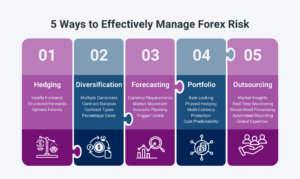
- Continuous portfolio-level exposure analysis
- Structured hedging strategy design
- Scenario modelling to understand potential margin impacts
- Monitoring open currency positions and timing risk
Using the Forex Risk Manager (FRM) framework, exposures, currency deals and cash flows can be analysed together to provide a clear view of a business’s true FX position and the opportunities or risks within it.
Periods of uncertainty are precisely when disciplined treasury management proves its value.
A well-structured FX strategy should ensure that corporates remain calm and in control, even when markets are volatile.
Discover how Valufin’s expertise can support your business
Contact your forex treasury advisor today.